
Invisible Collection, a London-based firm that began as a digital platform and gallery, expects to reach $35 million in sales this year, up from $31 million in 2025. The growth is driven mainly by its U.S. business, which accounts for half of total sales, as American buyers show a rising appetite for French design.
A Business Built Without Inventory
The company holds no stock. Its pieces are handmade by a network of about 300 ateliers, and roughly 80 percent of sales come from bespoke designs. Because the firm does not carry inventory, it can offer a wide range of work from established masters and newer talents without tying up capital in goods that may not sell.
Co-founder Isabelle Dubern-Mallevays, a former journalist and creative director at Dior Maison, said many of the ateliers approach the company for help reaching a wider audience. The firm then connects them with collectors who might not otherwise find their work.
Interiors Presented as Cultural Events
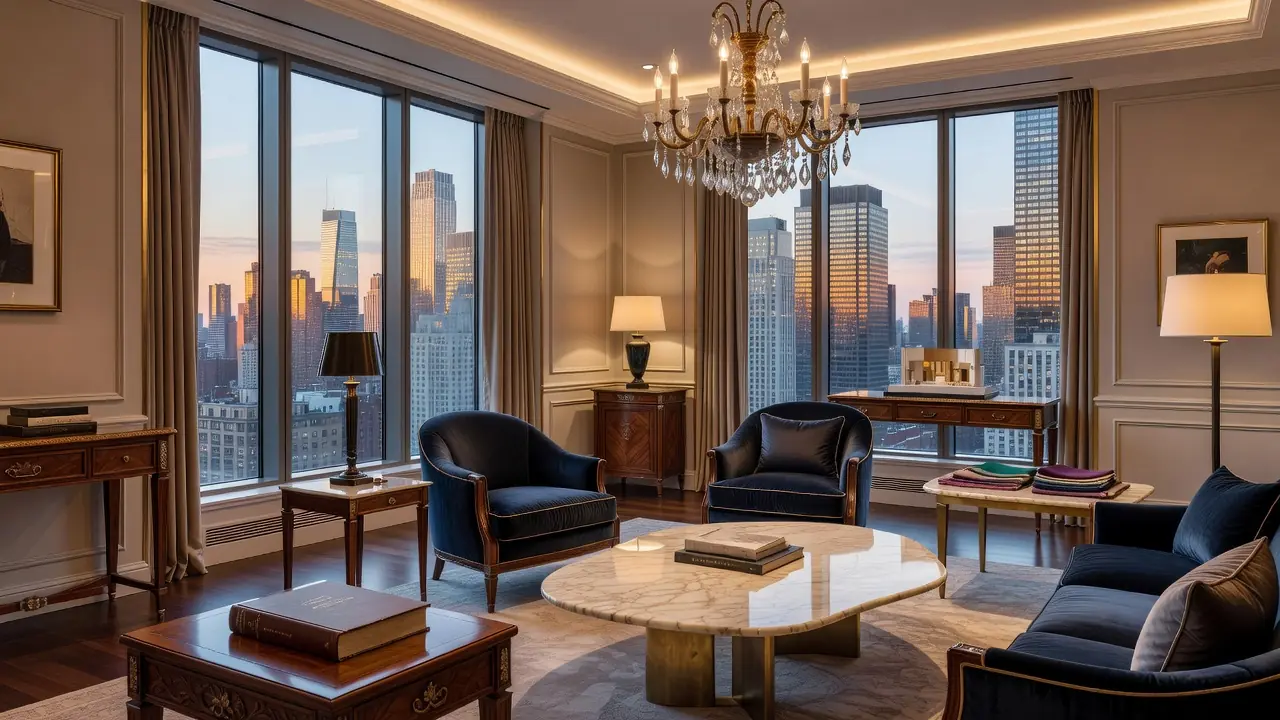
Invisible Collection has also moved into project curation. It works with developers and architects on full interiors and has furnished residences as cultural experiences rather than only sales settings. Its ensemble work for the 111 West 57th Street penthouses in New York's Steinway Tower, unveiled in November to mark the company's 10th anniversary, is one example.
Dubern-Mallevays said visitors come not only to view a property but also to learn about the designers behind it. She argues this gives developers a richer story to tell than a standard sales visit. Other firms, including the Italian platform Artemest, have pursued similar staged-residence projects.
Partnerships and Limits of the Forecast
The company works with Le19M, Chanel's hub for specialty workshops outside Paris, and with Mobilier National, the French institution that manages furniture in public buildings, including the Élysée Palace. These relationships support its claims about French craftsmanship, though the growth forecast remains a company projection rather than a reported result.
The firm also plans further activity in the Middle East despite the ongoing regional conflict, including a residency at Waddington Custot Gallery in Dubai and a collaboration with the design brand Fromm. In January, it will present La Collection Retrouvée at Féau Boiseries, an exhibition inspired by Stefan Zweig's 1925 short story "The Invisible Collection," which gave the company its name.